Trade · Berlins Today
Bowel cancer screening expanded - but 50 year olds face five year wait 1 hour ago Marie-Louise Connolly Health correspondent, BBC News NI Getty Images Screening is currently offered to people aged between 60 and 74 in Northern Ireland More people in Northern Ireland will be offered bowel cancer screening under plans to significantly expand the home testing programme. But from November, 59 year olds will begin to be invited to take part, with the age limit gradually reducing until everyone aged 50 to 74 is eligible by 2031. Health Minister Robbie Butler said the expansion could help save lives by allowing thousands more people to access screening which will help identify more cancers at an earlier stage, when treatment is most effective.
"This investment will not only improve outcomes for patients but is also expected to deliver annual health service savings of between £1.7 million and £2 million once fully implemented." People in Northern Ireland aged 59 will be offered bowel cancer screening from November, with 58 year olds joining the programme from April 2027. The phased rollout will continue until everyone aged 50 to 74 is eligible by 2031. The UK National Screening Committee recommends that bowel cancer screening is offered every two years to people aged 50 to 74 using a faecal immunochemical test (FIT).
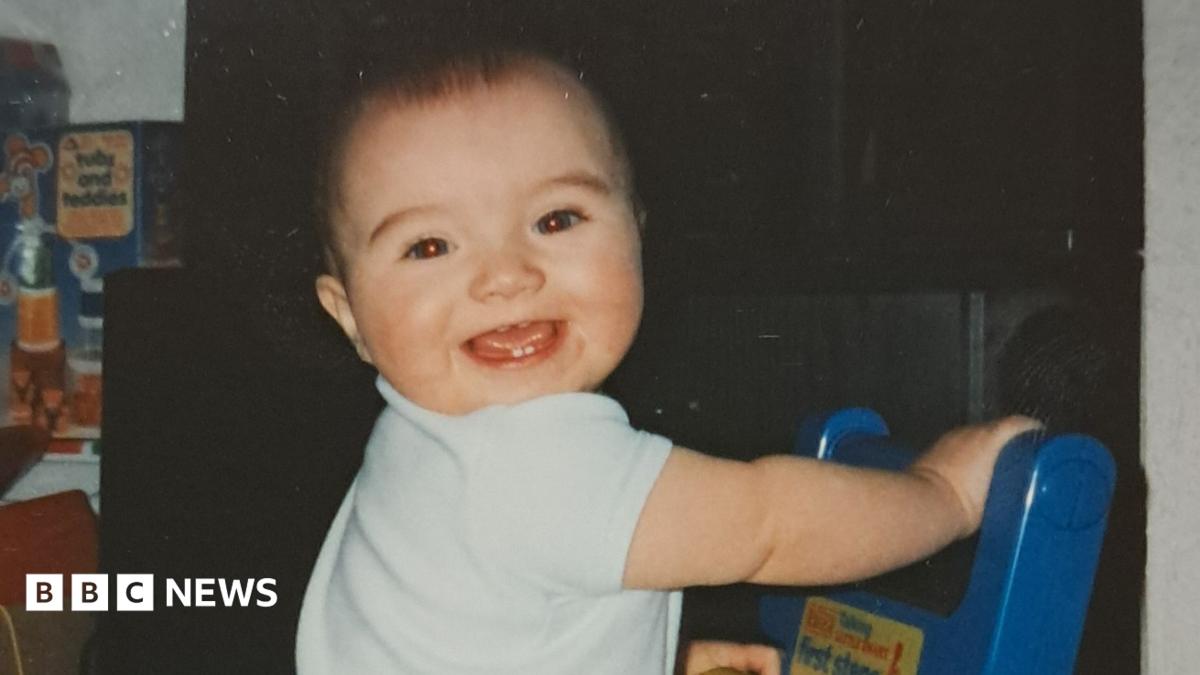
Professor Lourda Geoghegan, Deputy Chief Medical Officer, said that, once fully implemented, the expanded programme will reach an extra 135,000 people every year. She added that a phased rollout will "ensure screening, diagnostic and treatment services can manage the increased demand while maintaining high standards of care". 'Such positive news' Dr Jonny Dillon was 49 when he was diagnosed with bowel cancer in 2024 Dr Jonny Dillon, who was 49 when he was diagnosed with bowel cancer in 2024, said he was "just delighted" by the announcement, but added that it "needs to go a lot further". As a GP, he said he is seeing an increasing number of younger people presenting with bowel cancer.
"The decision to extend bowel screening will assist in detecting those patients at a much earlier stage, requiring less treatment and much better survival rates with the potential to save many lives. "It is something many of us have been pushing for many years." Dillon said he needed extensive surgery to remove a 7cm tumour, but has since made a "great recovery" and returned to work following treatment. "This diagnosis was devastating for myself and my family, any delay could have resulted in a poor outcome," he said.
"Early screening and intervention for this increasingly common cancer will save thousands of lives in Northern Ireland and I am eternally greatly to all those who have campaigned tirelessly to make this long overdue change." Genevieve Edwards, Chief Executive of Bowel Cancer UK, said she was "delighted" at the expansion, adding that it is a "significant step towards improving bowel cancer survival in Northern Ireland". "It will give thousands more people the opportunity to take part in screening, helping to find more cancers earlier when the disease is easier to treat and the chances of survival are higher." How does bowel cancer screening work? The FIT kit is a home screening test which allows people to collect a small sample of their stool and return it by post.
Results usually arrive by post within around two weeks. Most people will not require any further tests, but those with a result indicating that further investigation is needed will be invited for further tests. The FIT does not determine whether someone has bowel cancer.
Instead, it looks for tiny traces of blood in stool, which can be a symptom. The level of blood required to trigger further testing is currently different across the UK. In England, Scotland and Wales, the threshold is 80 micrograms of blood per gram of faeces.
In Northern Ireland, it is currently higher at 120 micrograms per gram. The Department of Health (DoH) said data collected as the screening programme is extended will be used to inform future reductions to the threshold. What is bowel cancer?
Symptoms can include changes in the consistency or frequency of bowel movements, blood in the stool, unexplained weight loss and stomach pain. Screening can detect bowel cancer at an early stage, including in people who do not have obvious symptoms, when it can be easier to treat. However, anyone experiencing possible symptoms should not wait for a screening invitation and should contact their GP.
Analysis: NI still has catching up to do While this expansion of cancer screening is to be welcomed – dig a little deeper into the small print and actually Northern Ireland will continue to lag behind the rest of the UK for several years. It will take another five years before men and women in Northern Ireland aged 50 will be eligible for screening whereas those aged 50 and living in England Scotland and Wales are entitled now. So there remains a disparity and inequity in bowel screening provision.
The case for widening access is underlined by the scale of the disease in Northern Ireland. Every year in Northern Ireland 1300 people are diagnosed with bowel cancer - that's about 25 people a week. Over 500 die each year with a growing number of younger people presenting with symptoms.
But until the programme reaches 50 to 74 year olds and the threshold is brought into line with the rest of the UK, Northern Ireland will remain behind its neighbours in bowel cancer screening provision.
Source: BBC