Trade · Berlins Today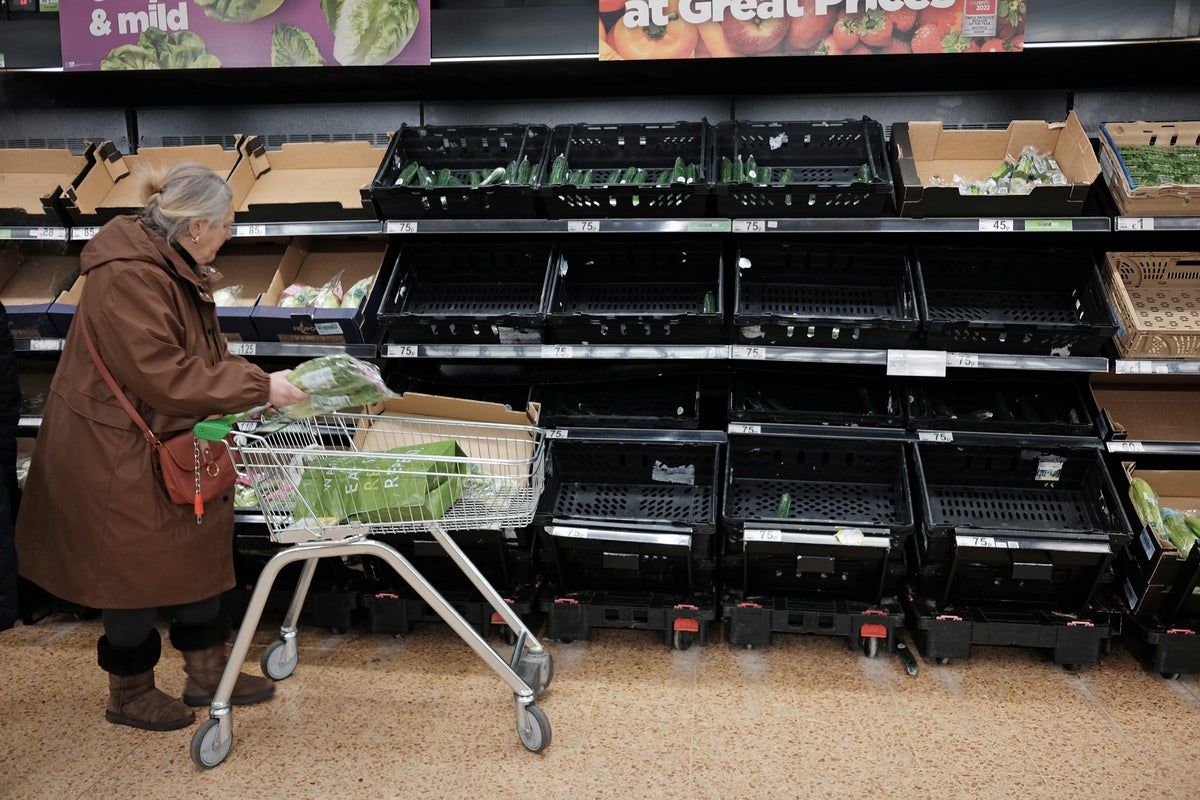
Supermarket shoppers face rising costs as food inflation is expected to reach almost 4 per cent by Christmas before peaking at 6.4 per cent in July next year, industry leaders have warned. According to the Food and Drink Federation (FDF), extreme weather and international conflict continue to hit supermarket shelves. Although this year-end prediction is significantly lower than the 9 per cent forecast made in April, the trade body cautioned that inflation was set to remain significantly above historical averages through the second half of next year rather than dissipate.
Latest figures from the Office for National Statistics show a grocery shop costing £100 in January 2020 now stands at £138.60 – an increase of 38.6 per cent. The FDF forecasts this bill will rise by a further £8.90, or 6.4 per cent, to £147.50 by July next year. The trade organisation, representing 12,000 food and drink manufacturers, said "disruption is the new normal" due to geopolitical volatility, climate change impacts, and a "pile up" of regulatory expenses surrounding packaging and recycling reforms.
Urging the Government to ease pressure, the FDF requested relief from rising energy and regulatory costs on manufacturers, warning "resilience is wearing thin". Gas prices have more than doubled since February, UK electricity prices are among the highest in Europe, and UK diesel prices have risen by 28.6 per cent since the start of the conflict in the Middle East. Climate-related events compounded problems, with the cost of wheat up 45 per cent, cocoa more than 100 per cent, rice up 60 per cent, and sugar and coffee up 27 per cent and 22 per cent respectively.
Droughts across the UK and Europe this summer have further strained supplies, meaning manufacturers would face higher costs for fruit, vegetables, and grains in the months ahead. FDF chief executive Karen Betts said: "Food and drink manufacturers have kept food prices as low as possible during the energy shock but they can’t do this indefinitely. The persistently higher costs of energy, logistics, and packaging, compounded by this summer’s extreme heat, mean food prices will rise this year and will likely be sustained into 2027." The National Audit Office warned the Government must work more closely with households, communities, and industry to ensure the food supply chain can withstand increasingly severe shocks, including extreme weather events, cyber-attacks, and disease outbreaks.
Environment Secretary Dame Angela Eagle suggested households stock up on food to prepare for extreme weather, citing El Niño as a cause for more extreme storms in the UK. The Department for Environment, Food and Rural Affairs (Defra) stated that food security is national security and they are working with farmers and the food and drink industry to strengthen the UK’s resilience. They are also suspending import tariffs on everyday goods and supporting farmers hit by recent droughts.
Source: The Independent